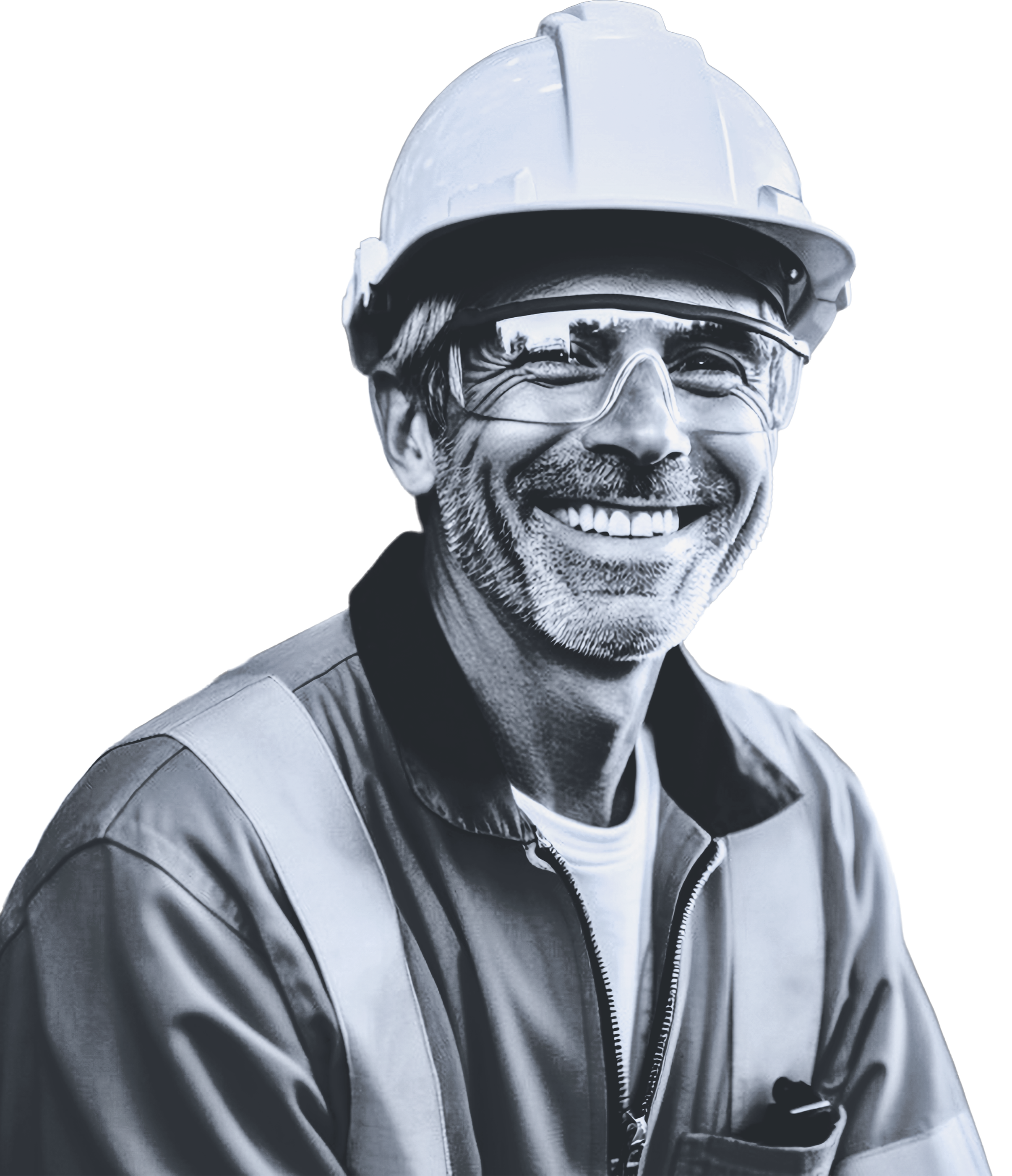

BUILT FROM EXPERIENCE. DRIVEN BY PURPOSE.BEHIND THE
TECHNOLOGY
Underground mines already collect an enormous amount of information. Gas monitoring, ventilation, production and equipment telemetry all tell us something about what's happening underground.
But much of that information is still looked at separately.
Earlier insight into underground risk.
Underground mines collect extensive information through gas monitoring, ventilation, production and equipment telemetry. Much of it is assessed separately, limiting visibility of how conditions interact.
Preta brings this information together to help identify developing hazards and support informed safety decisions.

WHAT IS
PRETA?
Preta is Saelix Technologies' proactive safety system.

It uses data analysis, artificial intelligence and machine learning to recognise patterns, identify relationships between operating conditions and assess the likelihood of hazards developing.
By examining how conditions change together, Preta provides insight into increasing risk before established alarm thresholds are reached.

WHAT MAKES PRETA DIFFERENT?
Preta’s approach centres on four capabilities:
-
Analyse multiple data sources for patterns that may indicate a developing hazard.
-
Show the likelihood of a hazard, the prediction timeframe and the information informing the assessment.
-
Combine AI and machine learning with mining expertise, with relationships reviewed, tested and validated before operational use.
-
Calibrate and validate models against each mine’s conditions.
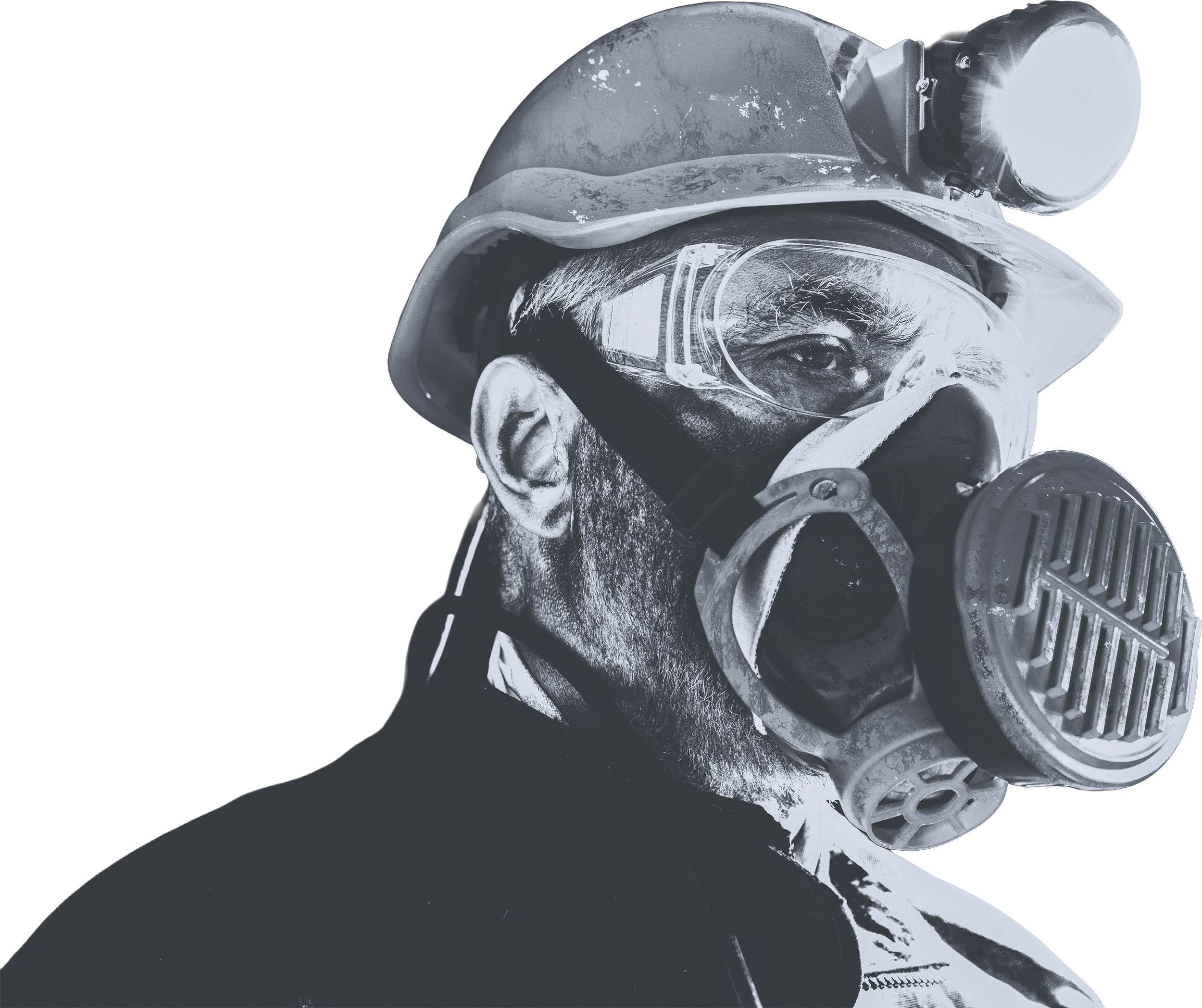

STARTING WITH METHANE, BUILDING FOR MORE.
Preta’s initial focus is methane hazards in underground coal mining. It examines relationships between methane concentrations, ventilation, production activity and other operating information to assess the increasing likelihood of an exceedance.
The broader Preta Safety System provides a foundation for future applications across atmospheric, geological and operational hazards in mining and other underground environments.
SUPPORTING SAFETY DECISIONS
Preta works alongside gas monitoring, Trigger Action Response Plans (TARPs), statutory officials and existing mine safety systems.
It provides an additional layer of insight, with clear explanations that allow personnel to understand and question predictions. Decision-making remains with the people responsible for the mine.